 Africa / English
 Latinoamérica / Español
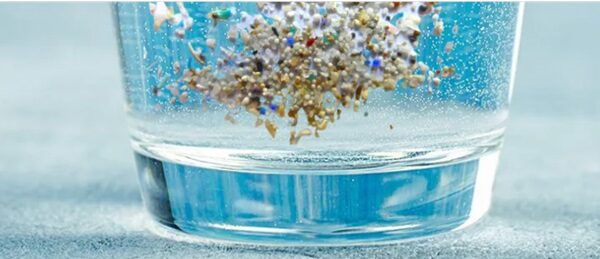
Plastic, despite its usefulness, is overshadowed by its disadvantages. It poses threats to human and animal health, contributes to pollution, and can take hundreds to thousands of years to decompose. Shockingly, many people unknowingly ingest plastic, as it can be found in food and beverages. Even water, essential for human life, is not spared from plastic contamination.
Human survival depends on water, and access to clean and safe drinking water is crucial. The presence of microplastics in drinking water is so harmful that it may even lead to cancer. It’s vital to be mindful of the water quality consumed daily by each individual.

How do microplastics get into drinking water?
The WHO states that Microplastics can infiltrate drinking water through various channels, including:
- Surface run-off (e.g., post-rain events)
- Wastewater effluent (both treated and untreated)
- Combined sewer overflows
- Industrial effluent
- Degraded plastic waste
- Atmospheric deposition
Surface run-off and wastewater are identified as the primary sources, although more precise data is needed to quantify and link them to specific plastic waste streams. Additionally, plastic bottles and caps from bottled water could also contribute to microplastics in drinking-water.

Solutions to help alleviate microplastics in drinking water
Reducing Plastic Consumption
To stop microplastics from entering water sources, it is crucial to minimize our reliance on plastic goods. Opt for reusable items such as water bottles and shopping bags, and select products that have minimal plastic packaging.


Water Filtration at Home
Enhance the purity of your drinking water by utilizing home water filters that feature activated carbon or reverse osmosis technology.
Microfiber Filters
By fitting microfiber filters into washing machines, you can trap minuscule plastic fibers shed from synthetic garments. These filters effectively stop these fibers from entering water sources.


Purchase Eco-Friendly Products
Choose personal care products and cleaning agents labeled as “microplastic-free” to support eco-friendly practices.
Enhanced Water Treatment
Enhance water treatment facilities by implementing improved filtering systems to effectively eliminate microplastics. Advanced filtration systems and membrane technologies are effective in removing these minuscule particles.

At H2O International, we offer a comprehensive array of water filtration products designed to address and eliminate your Microplastic and Nanoplastic concerns.